
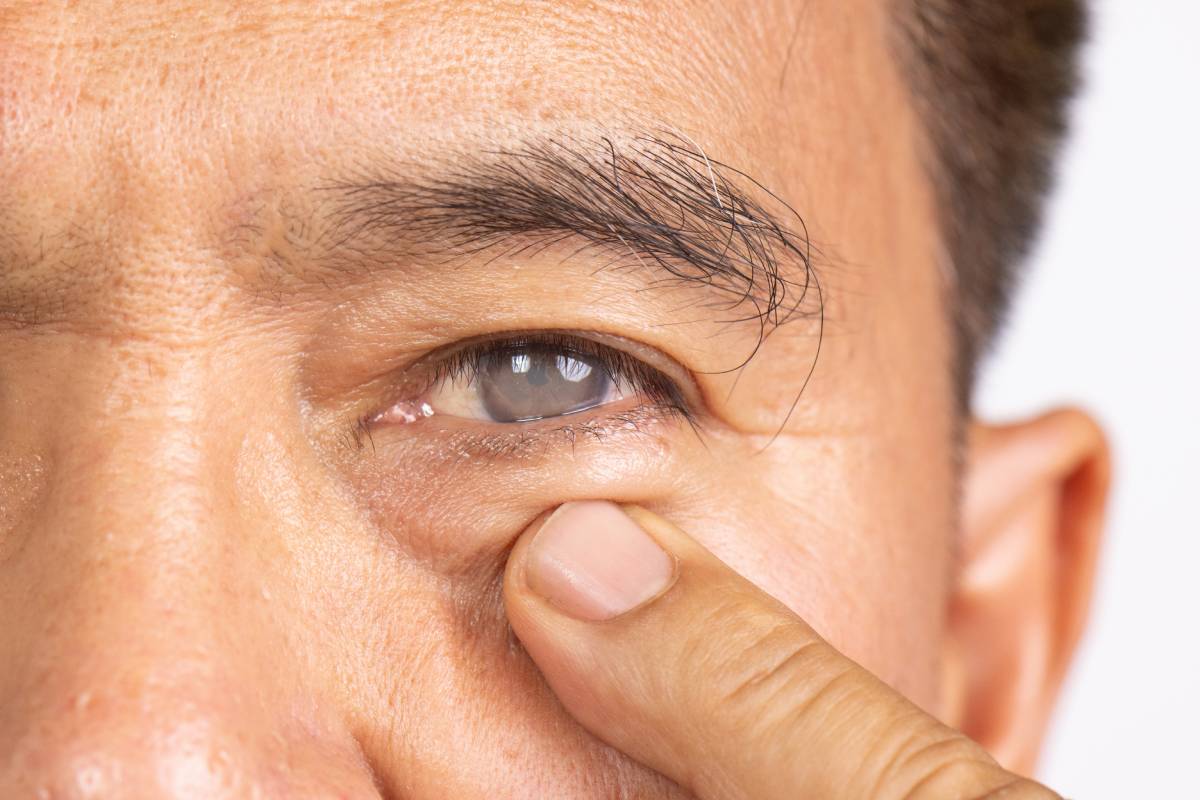
Cataracts are a common eye condition that affects people worldwide. It is characterized by the clouding of the eye’s natural lens. This leads to blurred vision, glare sensitivity, and difficulty seeing at night. When left untreated, the condition can cause severe vision loss. Custom cataract surgery is necessary to prevent blindness. The condition affects older adults, as nearly half of Americans over 80 have it. Cataracts are also the leading cause of vision impairment for older adults worldwide. Age is a major risk factor for the condition. However, several lifestyle factors increase one’s risk for the condition. You may wonder, why does smoking cause cataracts?
Why Does Smoking Cause Cataracts?
Smoking is a well-known risk for cataracts. Evidence has shown that smokers are two to three times more likely to develop the condition than non-smokers. The connection between smoking and cataracts involves several biological mechanisms.
Oxidative Stress
Cigarette smoke contains thousands of harmful chemicals. Many of these chemicals generate free radicals. Free radicals are molecules that damage cells in your body. The eyes are particularly vulnerable to damage caused by oxidative stress. The lens of the eye relies on a balance of proteins and antioxidants to remain clear and transparent. Free radicals attack the proteins found in the lens. This causes them to clump, resulting in cloudy formations.
Microvascular Damage
Smoking impacts blood flow. This ultimately impacts the tiny blood vessels that supply nutrients and oxygen to the eye. Reduced blood flow to the lens causes accelerated aging and protein degradation. This is due to the lens no longer receiving the vital nutrients it needs to function correctly. This often leads to an earlier diagnosis of cataracts among smokers. It can also lead to faster progression of the disease.
Chronic Inflammation
Smoking causes inflammation throughout the body, including the eyes. The inflammation triggers changes in the lens of the eye. This portion of the eye is responsible for focusing light. Inflammation causes the proteins in the lens to clump together and form aggregates. This results in a cloudy lens, also referred to as a cataract.
Toxin Accumulation
Cigarette smoke contains so many harmful chemicals. Some notable chemicals linked to an increased risk of cataracts include cadmium and hydroquinone. When you smoke, these toxins can build up in the lens of the eye. The accumulation of these chemicals damages the proteins in the lens. It also interferes with its ability to repair itself. The only way to reduce the risk of this is to quit smoking.
Cataracts Risk Factors
Untreated cataracts can lead to vision loss. In severe cases, it can lead to blindness. Several factors increase the risk of cataracts. Understanding your risk is essential.
Age
Age is the most significant risk factor for cataracts. Many people develop small changes in their lenses after the age of 40. Each decade thereafter increases the risk of the condition. Regular eye exams are essential in reducing your risk of the condition. Early detection is key when it comes to cataracts.
Diabetes
Individuals with high blood sugar are at a higher risk of developing this condition. Excess sugar can attach to proteins in the lens of the eye. This can change their structure and cause clumping. This speeds up the potential for clouding in the lens. People with diabetes are at a higher risk of getting cataracts earlier. It can also progress faster in those individuals. Maintaining your health and managing diabetes is key. A regular diet, exercise, and staying hydrated are crucial for maintaining long-term health.
UV Radiation
Spending a lot of time outdoors without proper eye protection can cause damage. It increases oxidative stress, which causes harm to the proteins in the lens. This triggers harmful chemical reactions. Over time, this leads to cloudiness and the development of cataracts. Wear protective eyewear and a wide-brimmed hat for added protection when you are outdoors. Protecting your eyes from sun exposure is necessary to reduce your risk of diabetes.
Eye Injury or Trauma
Trauma to the eye can damage the lens. This can include minor injuries or even a history of previous surgery. The trauma disrupts the proteins in the lens. This accelerates cataract formation. If you have had prior eye surgery or an injury, monitor your vision health closely. This includes regular eye exams. Consult with a skilled and experienced eye surgeon if you experience any changes to your vision.
Custom Cataract Surgery
If you need treatment for cataracts, contact the team at Advanced Eye Medical today to schedule your consultation!