
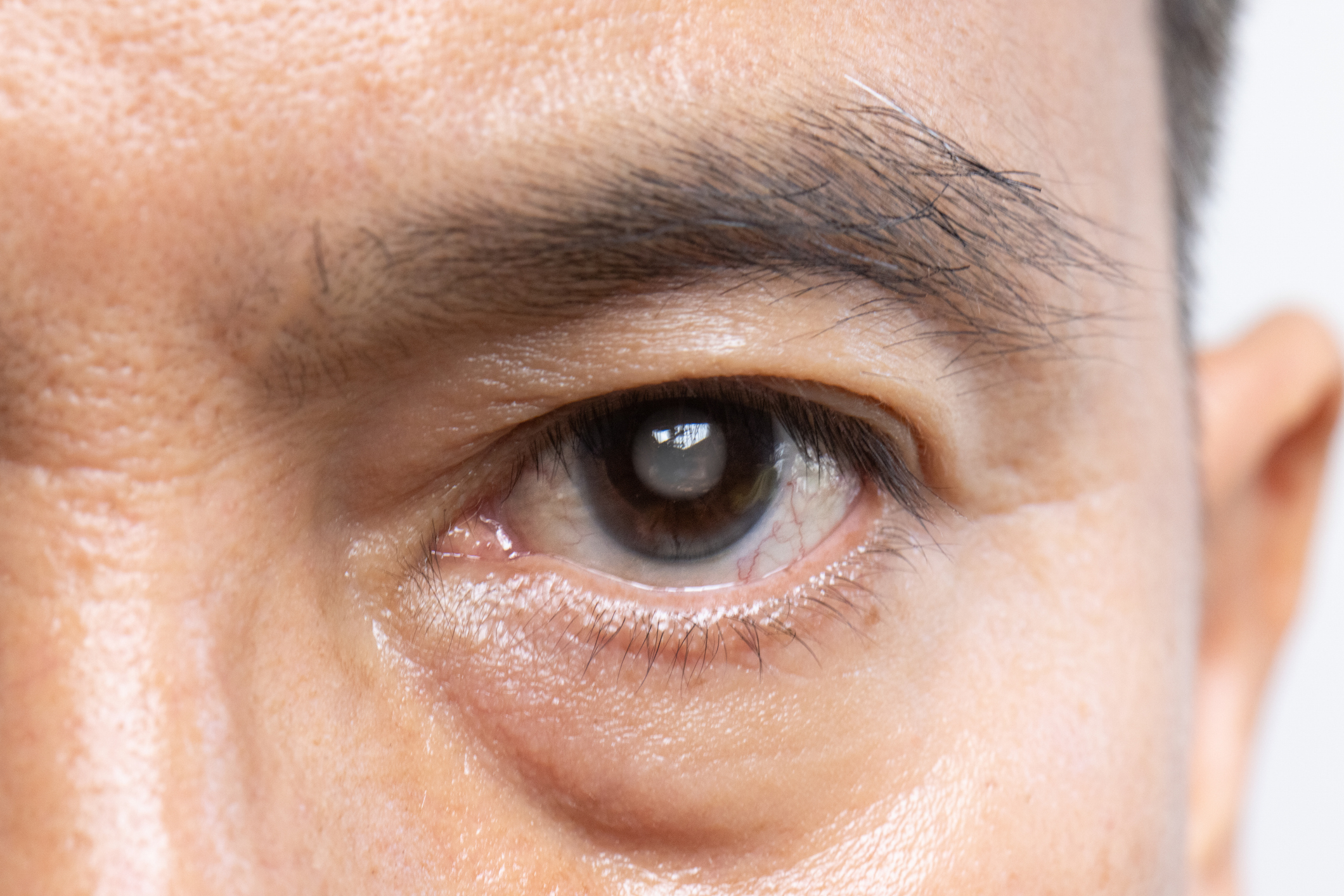
Cataracts are a common eye condition, particularly among older adults, that gradually cloud the lens of the eye, affecting vision. While cataracts often develop slowly, early detection is crucial to prevent significant vision loss. In this article, we discuss early signs of cataracts you should never ignore and how an experienced cataract surgeon can help with this eye health issue.
Early Signs of Cataracts You Should Never Ignore
Below, we describe the most common early signs of cataracts. You can experience one or multiple of these symptoms, and their severity can vary from case to case. We recommend consulting your eye doctor promptly if you notice even one of these symptoms.
Blurry, Hazy, Filmy, or Cloudy Vision
Blurry, hazy, filmy, or cloudy vision can feel like looking through a dirty window and does not clear after blinking. Cataract-related blurriness typically progresses slowly over months or years. People often notice difficulty reading, driving, or recognizing faces, especially in low-light conditions.
Increased Sensitivity to Light and Seeing Glare Around Lights
Increased sensitivity to bright lights and glare around lights is a common symptom of cataracts. Sunlight or indoor lighting may feel unusually intense, causing discomfort and temporary vision distortion, sometimes even preventing people from driving or walking outside.
Difficulty Seeing at Night
Cataracts can scatter light entering the eye, making it harder to see in dimly lit environments.
Fading or Yellowing Colors
Cataracts can alter the way you see colors, making them appear faded or more yellow than usual. Some people might experience difficulty distinguishing between similar colors.
Double Vision in One Eye
Double vision in one eye is also called monocular diplopia. People can experience overlapping images, ghosting, or multiple outlines of objects.
Eye Strain and Headaches
People with early cataracts may notice increased fatigue when reading, using digital devices, or performing tasks that require focus, as they constantly strain to see clearly. This, in turn, can lead to frequent headaches.
Cataract Treatment Methods
Non-Surgical Management in Early Stages
In the early stages of cataract, when it does not interfere with daily life, your doctor might recommend the following management options:
- Updated eyeglasses or contact lenses prescription to improve clarity
- Using brighter lights (for example, when reading) to reduce eye strain
- Managing light sensitivity with anti-glare sunglasses
It is essential to have regular eye exams and continue monitoring the progression of cataract.
Cataract Surgery
Surgery can completely treat cataracts and is typically recommended when the condition interferes with daily life. Cataract surgery involves removing the cloudy lens and replacing it with an artificial intraocular lens (IOL). The main types of cataract surgeries include:
- Phacoemulsification (Phaco Surgery)
- Extracapsular Cataract Extraction (ECCE) is typically used for more advanced cataracts
- Laser-Assisted Cataract Surgery
Typically, a cataract surgery is an outpatient procedure and takes 20 to 30 minutes per eye. However, the entire visit to the office is likely to take 2 to 4 hours, including surgery preparation and recovery time.
Vision typically improves within several days of the procedure, but the full recovery can take up to 4 weeks. During the recovery period, patients typically need to use prescription eye drops to prevent infection and inflammation, avoid strenuous activities, and wear protective glasses when going outside.
Make an Appointment with an Experienced Cataract Surgeon
If you notice signs of cataracts, do not hesitate to make an appointment with an experienced eye surgeon as soon as possible. At our clinic, we utilize modern diagnostics and treatment methods to help each client restore their eye health. We are looking forward to your visit.