
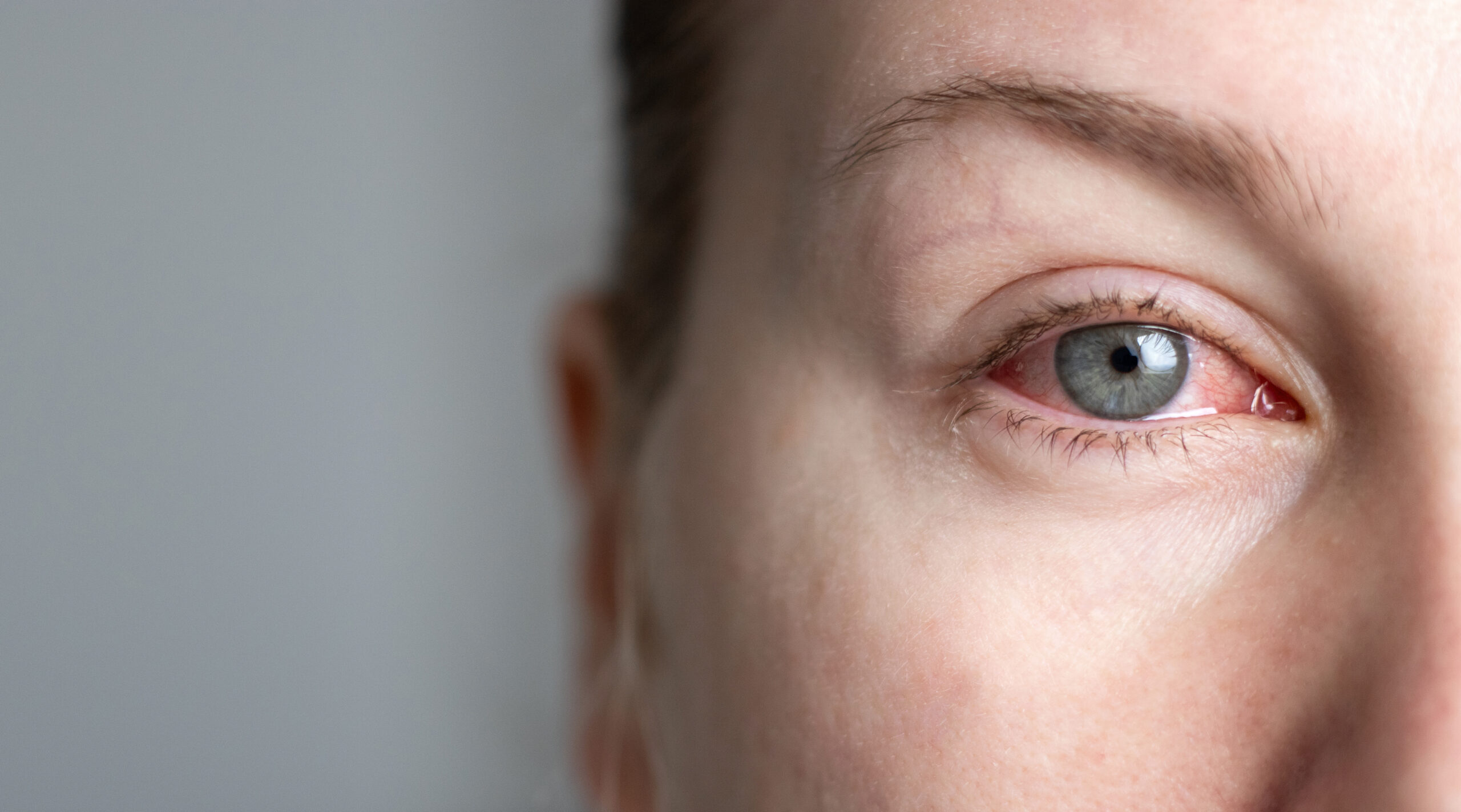
Itchy and irritated eyes are uncomfortable and make even the simplest task a chore. But when your eyes feel dry, red, or watery, how do you know what it is? Is it dry eyes syndrome or eye allergies? The problem is, their symptoms may overlap while these conditions have different causes and treatments. Eye doctors will tell you that understanding the difference between the two is the first step to addressing the issue and finding lasting relief.
Do You Have Dry Eyes or Eye Allergies? How to Tell the Difference
Dry eyes happen when your eyes do not produce enough tears, or when they evaporate too fast. Many people probably think that tears are just water but they are not. They are a complex mixture of water, oil, and mucus that keep the surface of the eyes smooth and protected. If this balance is disrupted, dryness and irritation happen.
Common Symptoms of Dry Eyes
- A gritty, sandy, or burning sensation
- Redness
- Sensitivity to light
- Blurred or fluctuating vision
- Eye fatigue especially after spending time in front of the screen
- Watery eyes
Dry eye is usually chronic and unfortunately gets worse with prolonged screen time. air conditioning, aging, hormonal changes, some medications, and underlying health conditions. Most symptoms become worse at the end of the way.
Understanding Eye Allergies
Eye allergies, otherwise called allergic conjunctivitis, happen because of your eyes’ reaction to allergens such as pollen, dust mites, pet dander, or mold. Your immune system releases histamine which causes irritation and inflammation.
Common Symptoms of Eye Allergies
- Intense itching
- Red swollen eyes
- Watery or teary eyes
- Burning sensation
- Puffy eyelids
- Sneezing and runny nose
Compared to dry eyes, the symptoms of eye allergies are seasonal or situational. Flare-ups happen when allergens are present and symptoms improve when exposure is reduced.
Key Differences Between Dry Eyes and Eye Allergies
Dry eyes and eye allergies both cause redness and discomfort, but there are a few clues that can help you tell them apart.
Itching
When itching is severe, it is more likely to be an allergy. Dry eyes may feel irritated or scratchy, but it is uncommon to have intense scratching.
Tear Quality
The tears caused by dry eyes are of poor quality. The balance of oil, water, and mucus is disrupted. Instead, the tears become extra watery, which do not coat the eye well and evaporate too quickly.
Timing
Symptoms of dry eyes tend to worsen in the latter part of the day or during prolonged screen time. Allergies act up after exposure to allergens or during specific seasons.
Associated Symptoms
Allergies typically accompany other symptoms, such as sneezing or congestion, whereas dry eyes do not.
Is It Possible to Have Both?
Yes. Allergies can exacerbate dry eyes by causing inflammation. Dry eyes, on the other hand, can make the eyes more sensitive to allergens. This overlap of symptoms makes diagnosis tricky, and why their symptoms should not be ignored.
Why Proper Diagnosis Matters
A wrong diagnosis can lead to the wrong treatment. This is dangerous and can make symptoms even worse. For instance, some allergy drops have preservatives that may aggravate dry eyes. On the other hand, the inflammation caused by allergens needs to be properly addressed.
Visiting an eye care professional will get you the help you need. They can evaluate your symptoms and examine your tear quality. That will help them determine whether it is allergies, dry eyes, or a combination of both.
When to See an Eye Doctor
Observe your symptoms. Are they worsening? Are they affecting your vision? If they are, then you need to seek a specialist. Red eyes are not always “just allergies”. Untreated dry eyes can result in chronic discomfort, and worse, surface damage over time.
See An Eye Specialist
Dry eyes and eye allergies may seem similar in some ways but the cause and the treatment are very different. To remove any doubt, schedule a visit with a specialist today to get your eyes the relief they need.