
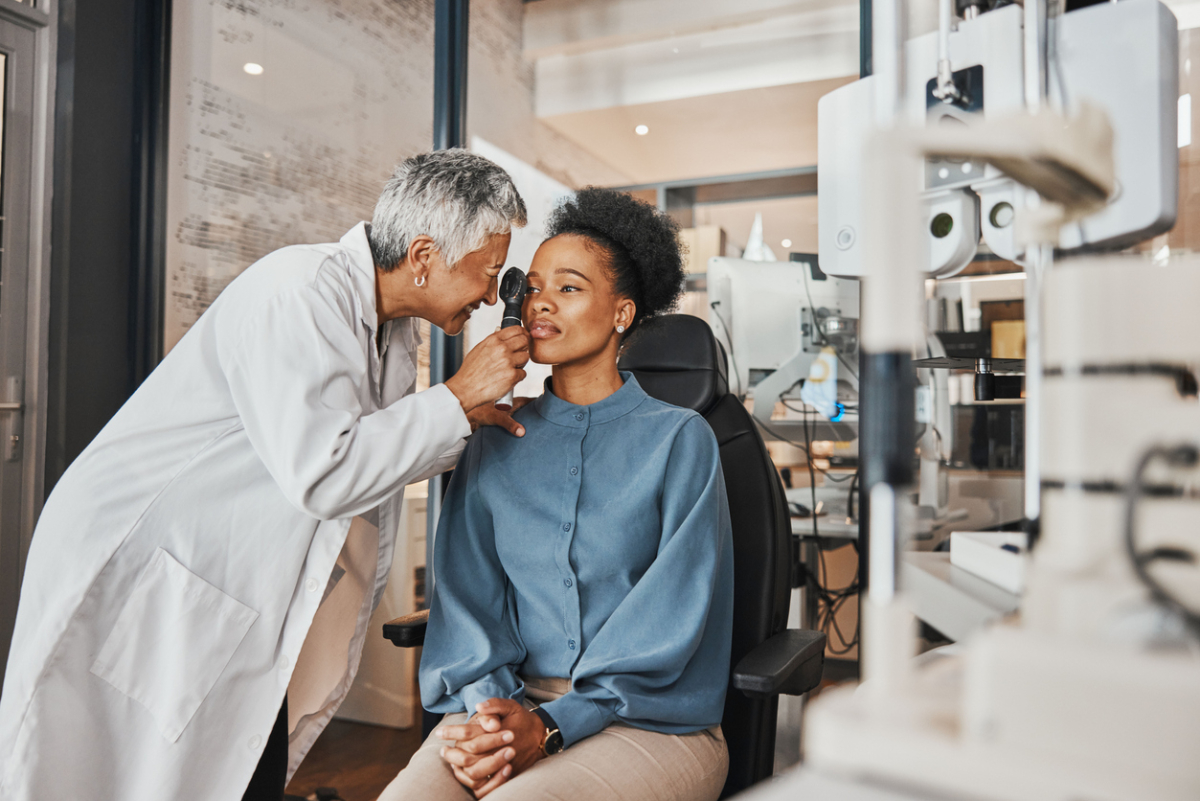
Your eyes play a major role in your daily life. You use them to perform so many activities of daily life, including reading and driving. Despite their importance, many people avoid taking care of their eyes until an issue arises. Regular eye exams can help you maintain your vision and overall eye health. Eye care services are effective in detecting the signs of vision issues early on. Prioritizing regular eye exams is a crucial investment in your eye health. You may wonder, how often should you have eye exams? Below, you will find helpful information on how to maintain good eye health.
How Often Should You Have Eye Exams?
Eye exams are a crucial part of maintaining your eye health. The frequency at which you should see the eye surgeon depends on several factors. These include your age, vision, and overall health. When you visit the eye surgeon, they can advise you on when and how often you should come in. Generally, most eye surgeons recommend a comprehensive eye exam every one to two years. If you have not visited an eye surgeon in the last year, schedule your appointment. Below, you will find helpful information on how often you should schedule your eye exams.
Age
Age is a factor to consider when determining how often you should visit the eye surgeon. Children should have their first eye exam before their first birthday. In many cases, they should visit every two years. Most eye surgeons recommend going at age three and then again before starting school. If the child has vision problems, more frequent visits may be necessary.
Adults under the age of 40 should get an eye exam every two years. If you have vision problems or wear glasses or contact lenses, you may need to visit more frequently. Annually or every two years is a great frequency as it ensures that any issues with your vision are caught early.
Adults aged 40 and older and those under 64 should visit an eye surgeon every one to two years. This age range is at high risk for glaucoma and age-related vision loss. Addressing the issues early on reduces the risk of further complications.
Adults 65 years and older should visit the eye surgeon annually. The risk of eye disease is high for this age group. Common eye diseases include cataracts, macular degeneration, and diabetic eye disease. Annual eye exams reduce the risk of more serious complications, such as vision loss.
Overall Health
If you have certain health issues, you may need to visit the eye surgeon more often. High blood pressure, diabetes, and a family history of eye disease are serious risk factors for vision problems. Your eye surgeon may recommend more frequent visits to ensure your long-term eye health.
What Happens During an Eye Exam?
If you have never been to the eye surgeon or it has been a long time since your last appointment, you may wonder what happens during the visit. An eye exam is a simple, painless, and crucial part of your overall health. The appointment usually takes between 30 minutes and one hour. You can expect to discuss your medical history and symptoms with your eye surgeon. This helps the eye surgeon understand your risk factors and what to look out for during the eye exam.
After you discuss your health and medications with your doctor, they will perform several tests. This includes a vision test, a refraction test, and a check of eye muscle and movement. These are simple and do not cause any discomfort. If necessary, additional testing may be done. This could include a test for eye pressure or color blindness, depending on your symptoms and test results. Lastly, an eye health exam is done to check the front and inside of your eyes. Drops may be used to dilate your eye to make testing easier.
Eye Care Services
Depending on the results of your eye exam, you may need additional treatment. Common issues detected during regular eye exams are vision issues and cataracts. Vision issues can be addressed through the use of glasses, contact lenses, or LASIK surgery. Many patients prefer LASIK due to the long-lasting results. Vision issues may also be caused by skin sagging in the upper eyelids. This can block your vision and make everyday tasks difficult. Surgical intervention may be necessary to address the issue. A skilled and experienced eye surgeon can effectively address the issue with eyelid surgery.
Top Eye Surgeon
If you are looking for an eyelid surgeon, contact the team at Advanced Eye Medical today to schedule a consultation!